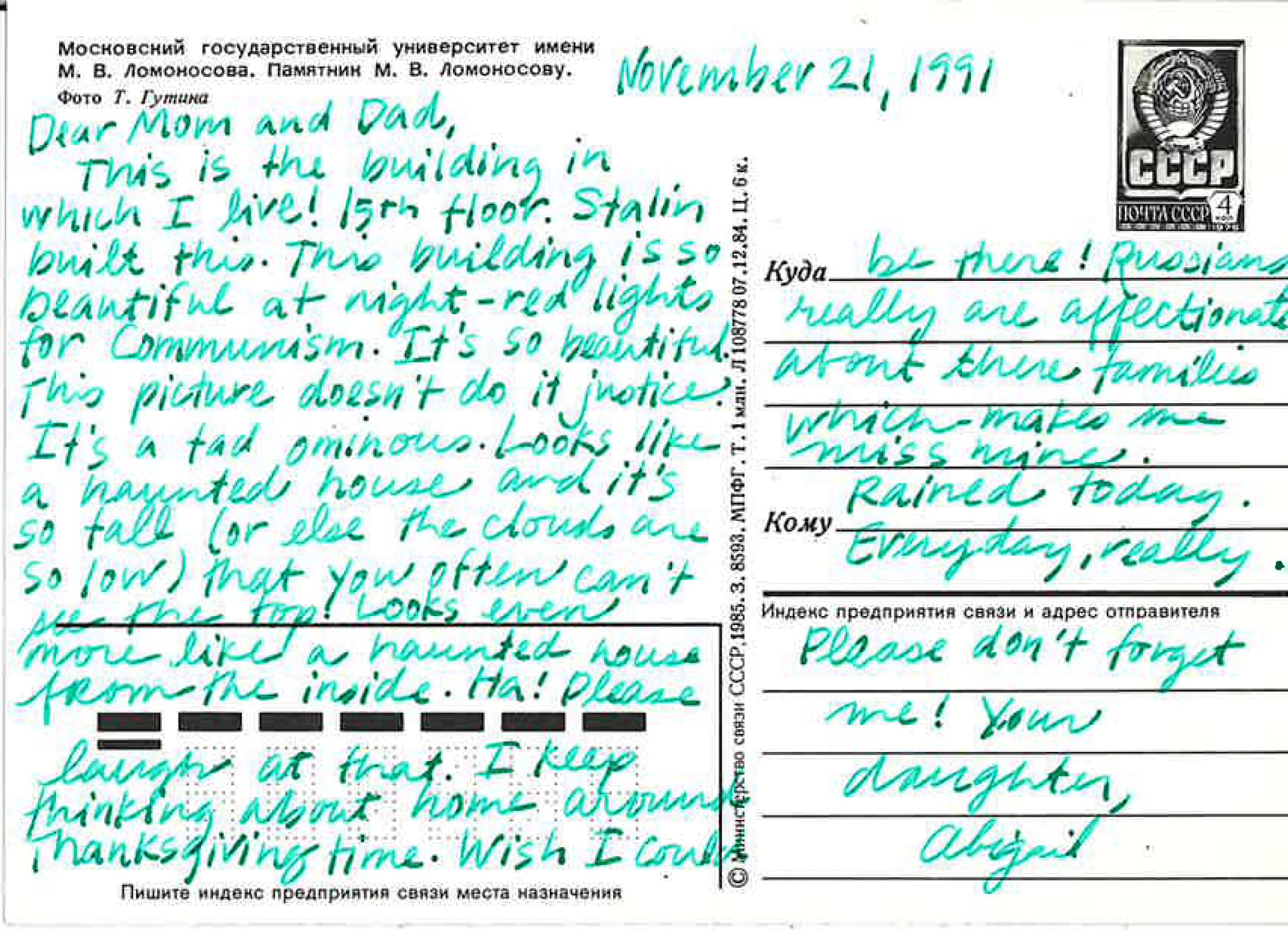
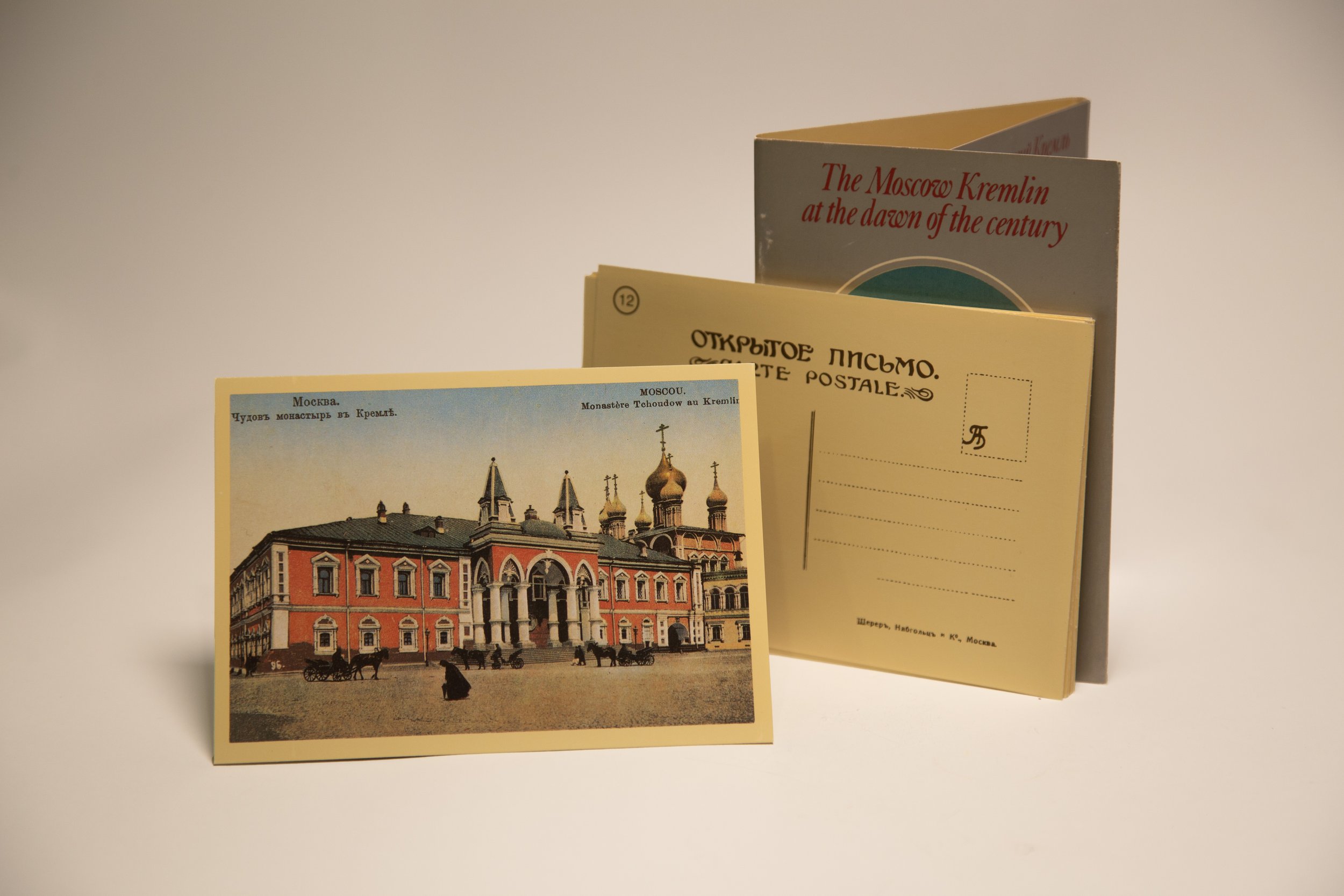
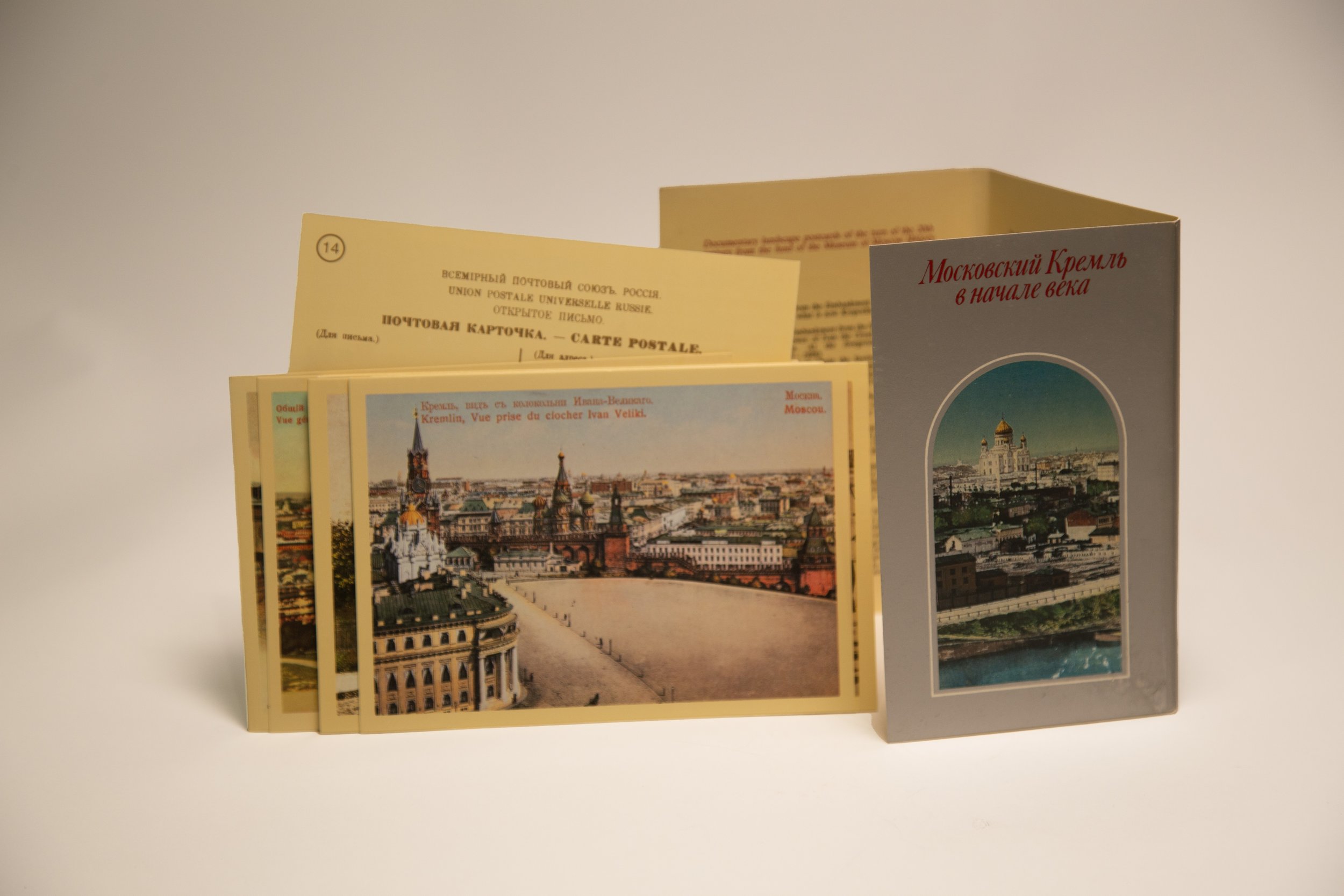
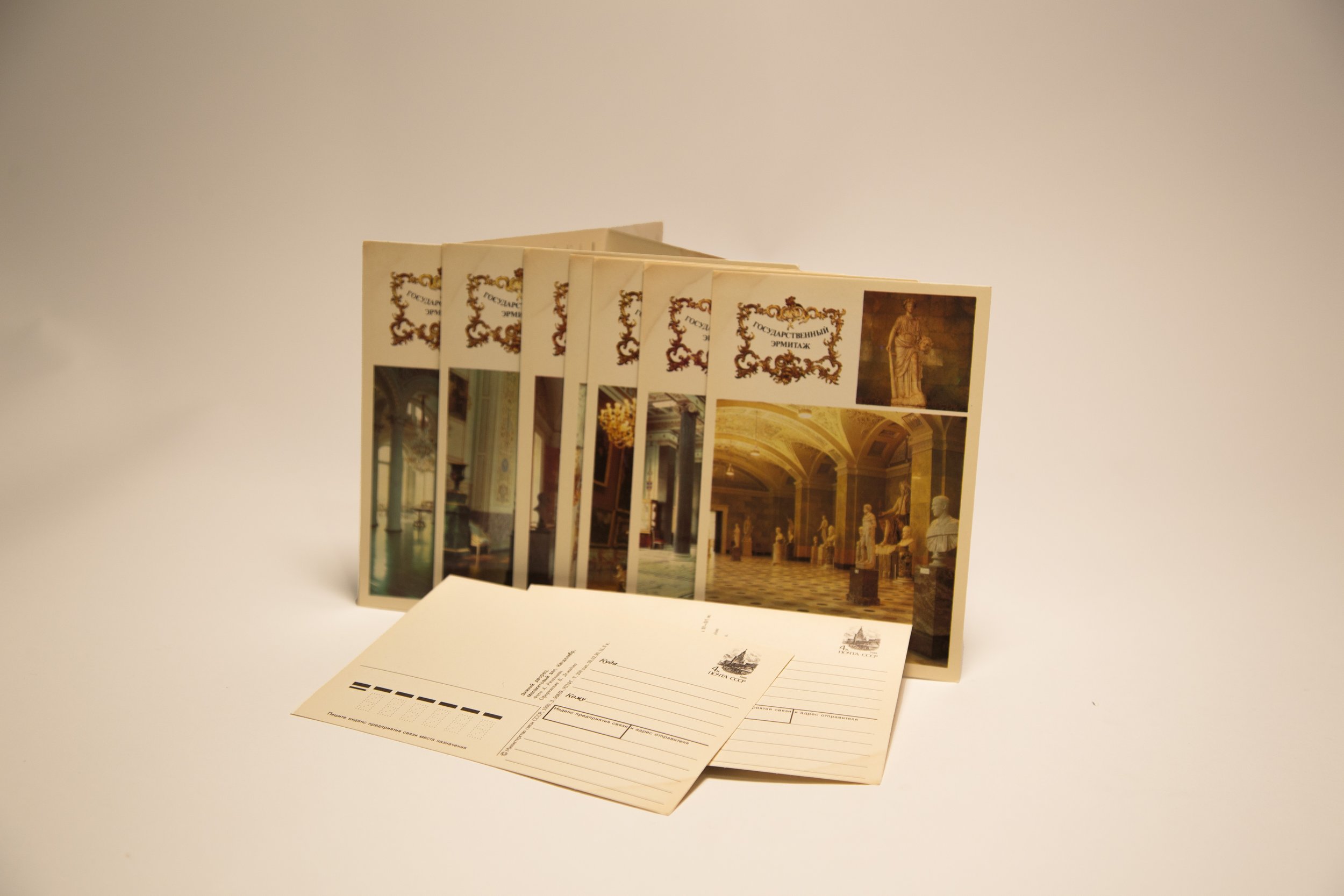
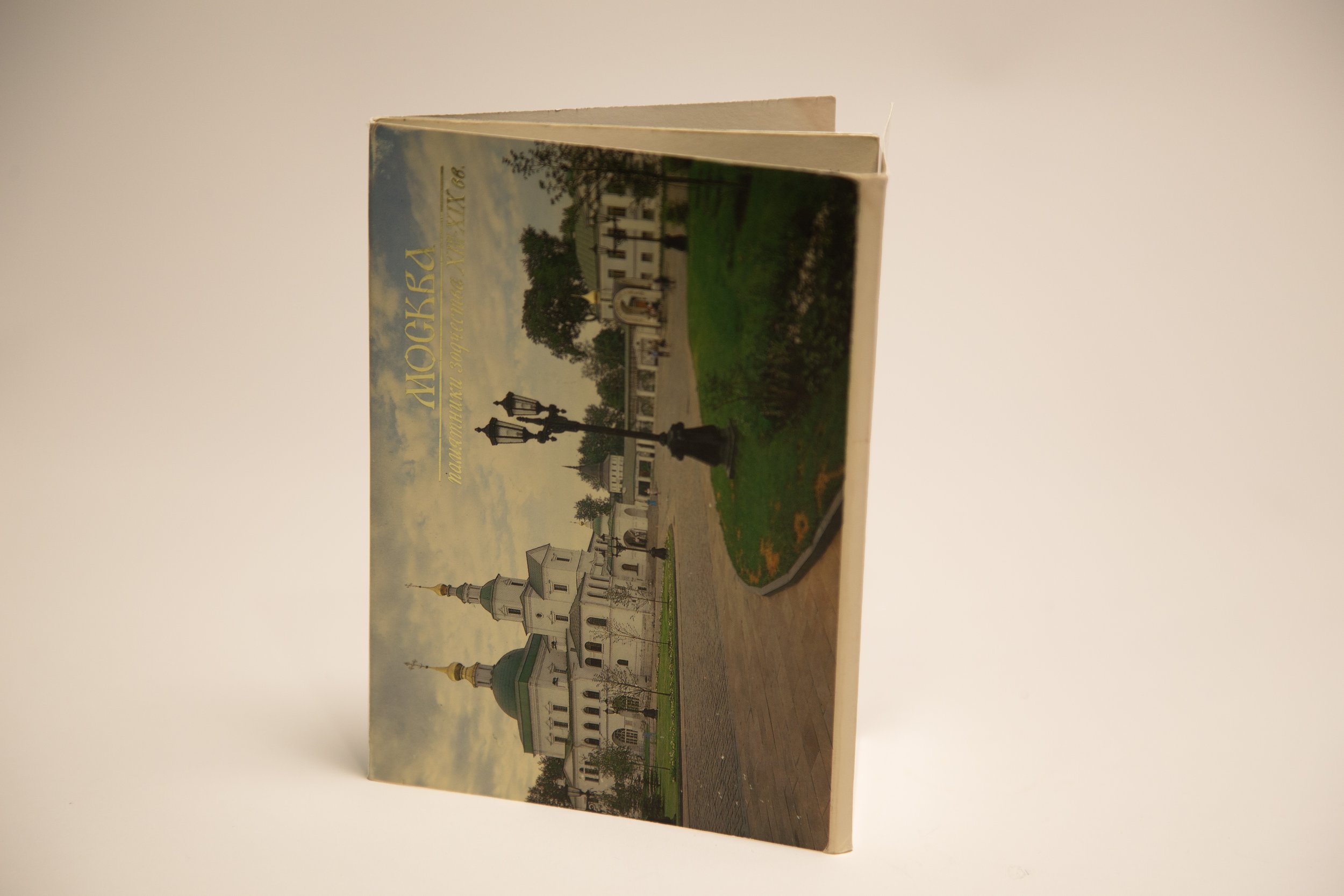
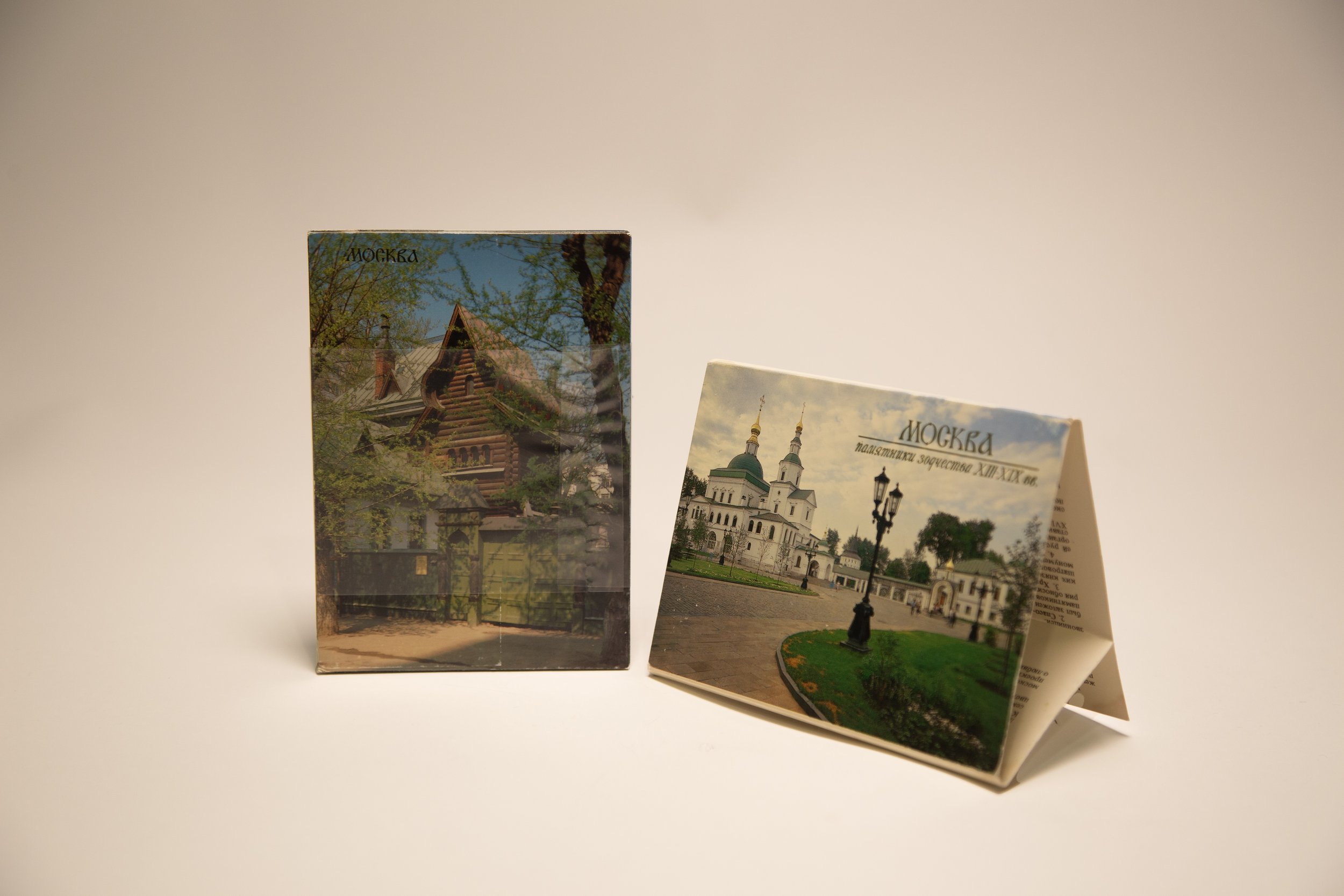
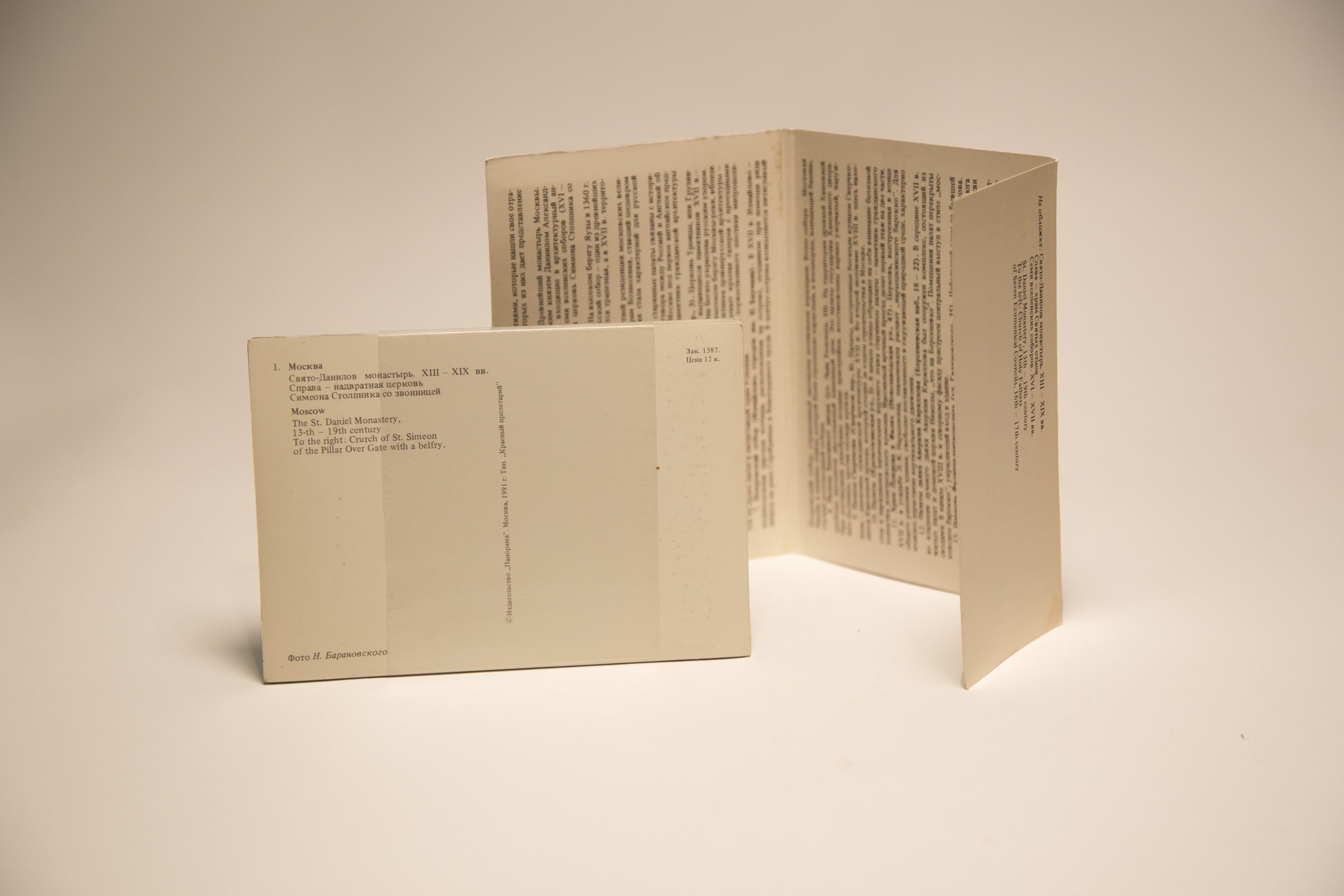
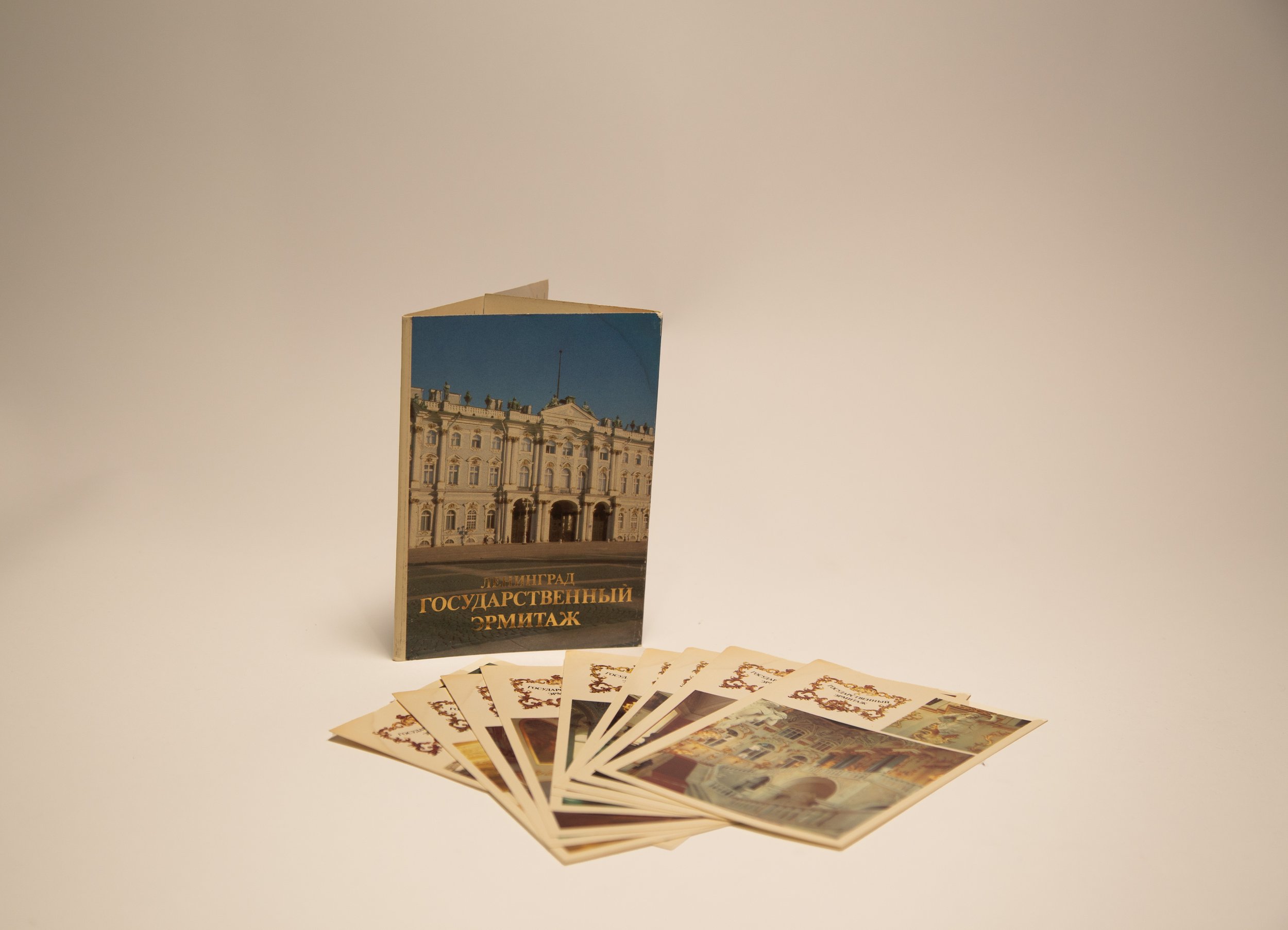
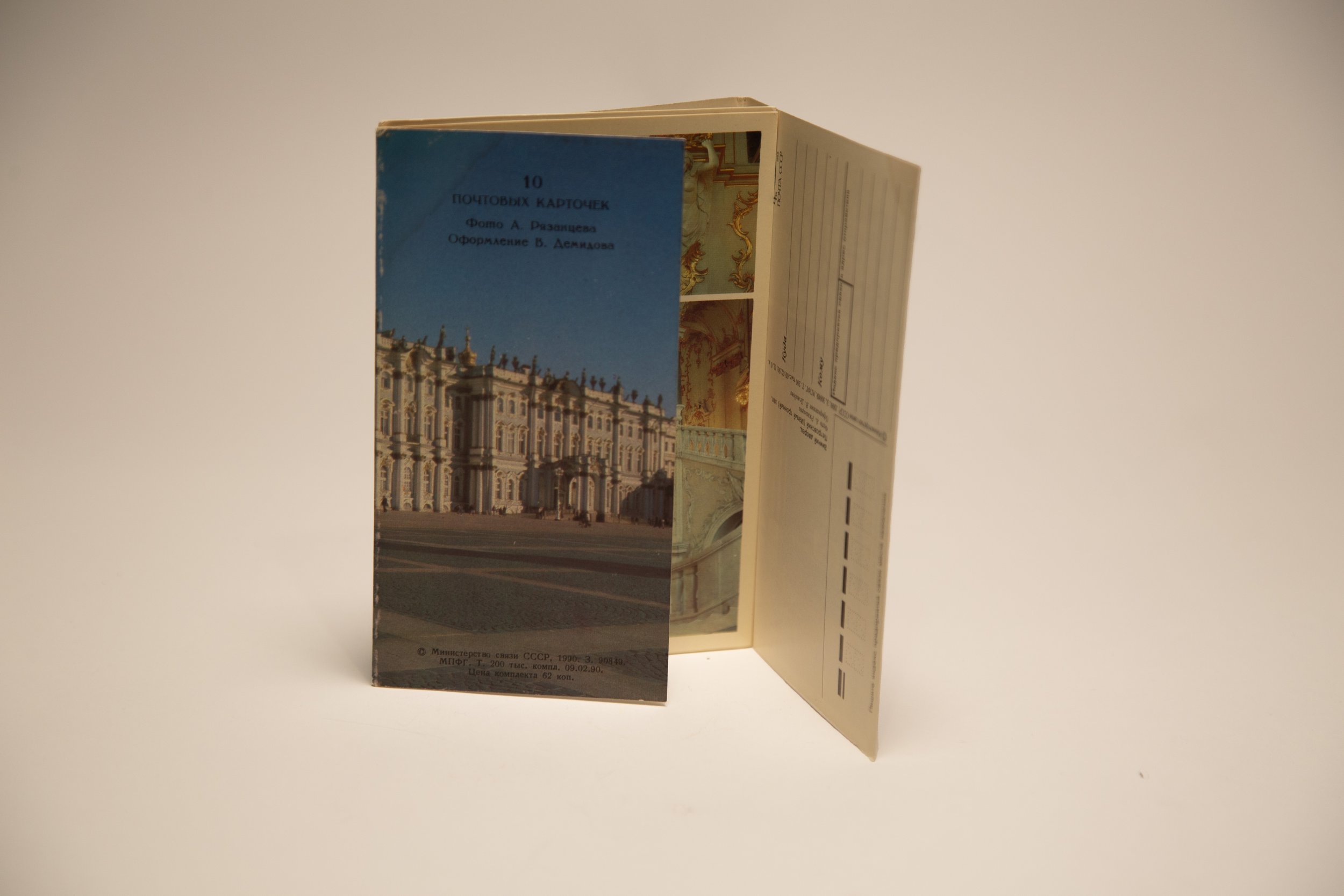
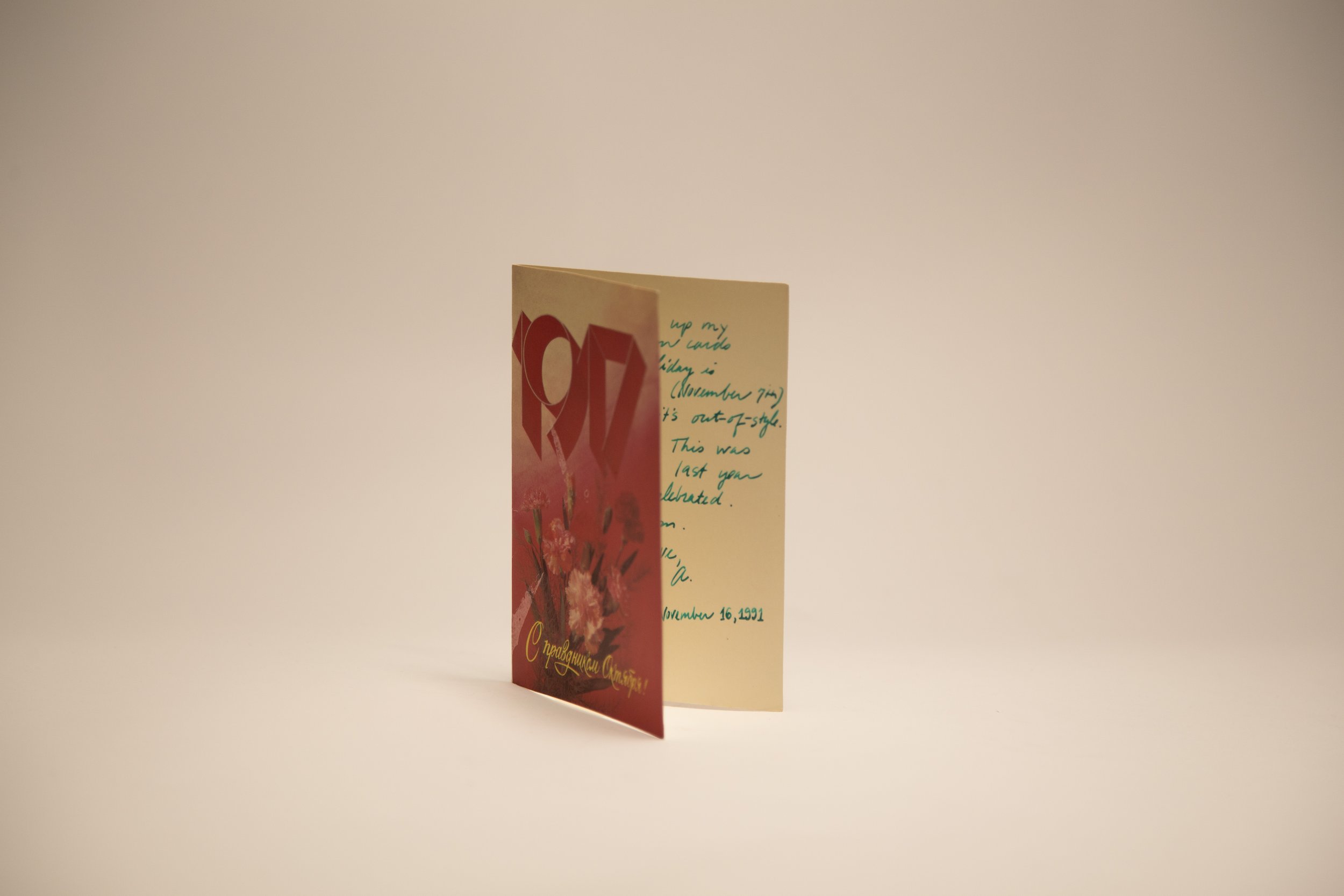
Early 90s Russia is a crowdsourced digital archive of everyday objects from the moment when the Soviet Union ended – focusing on August 1991 to October 1993, the period bookended by the failed coup of 19-21 August 1991, and the 10-day Russian constitutional crisis that ended on 4 October 1993. At its core, it is an open time capsule.
The project began with a personal collection of small, everyday items assembled in Moscow during those years. The objects’ small sizes, which made them easier to transport and save, also make them prone to loss. Absent information about their provenance, they have little value, except for sentimental value to their owners.
The intention of this archive is not simply to replace the prevailing negative framing of the period with an overtly positive one. Associations of 1991-93 with uncertainty, extreme suffering, anxiety, and financial devastation are pervasive and equally legitimate. The 1991-93 period involved hardship brought on by the falling away of institutions, systems, and safety nets, exacerbated by economic upheaval caused by neoliberal economic reforms. To be sure, this was a time of disappointment and soul-searching, demanding stamina from even the most ardent optimists.
But elevating optimism and hopefulness of 1991-93 could serve to challenge the dominant narrative propagated by authoritarian Russia today. Conjuring up memories of the period’s hopefulness and aspirations adds to conversations about alternative paths in contemporary Russia. In her classic Common Places,literary scholar Svetlana Boym wrote that “Today’s everyday artifact can turn into tomorrow’s counterrevolutionary kitsch.” In the same way, this project, focused on yesterday’s everyday artifacts, could be considered “counterrevolutionary” relative to the current official narrative of the 1990s.
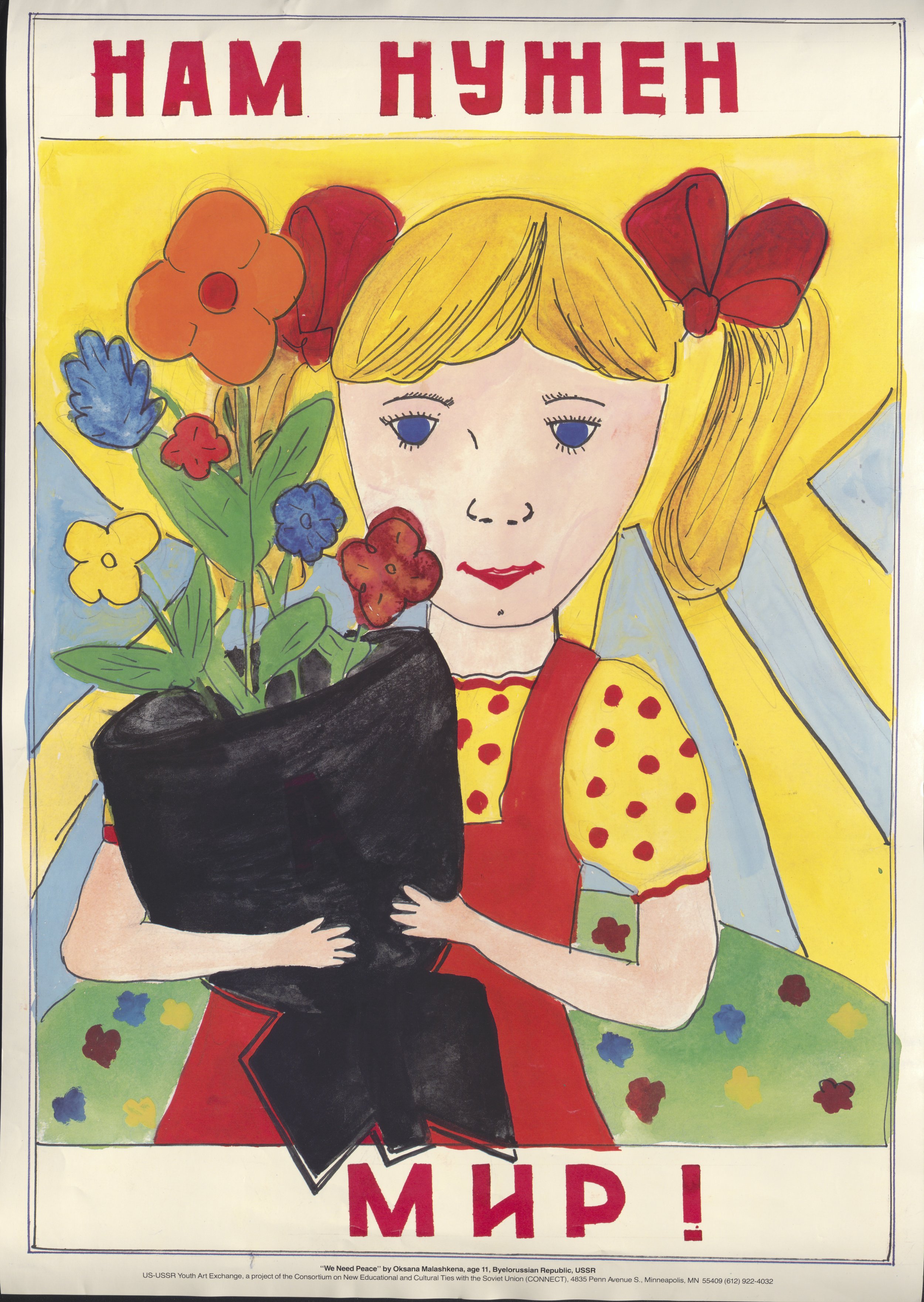
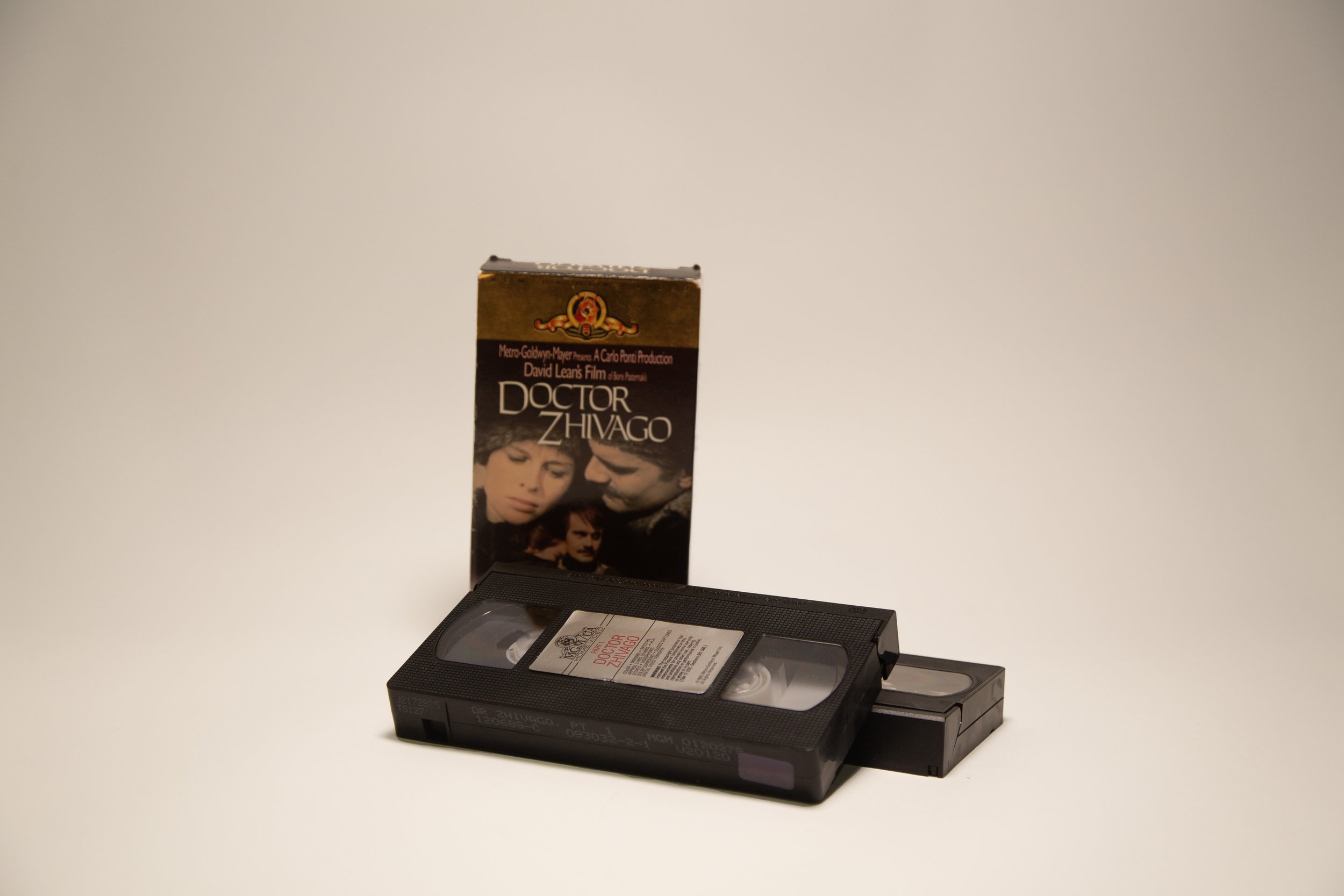
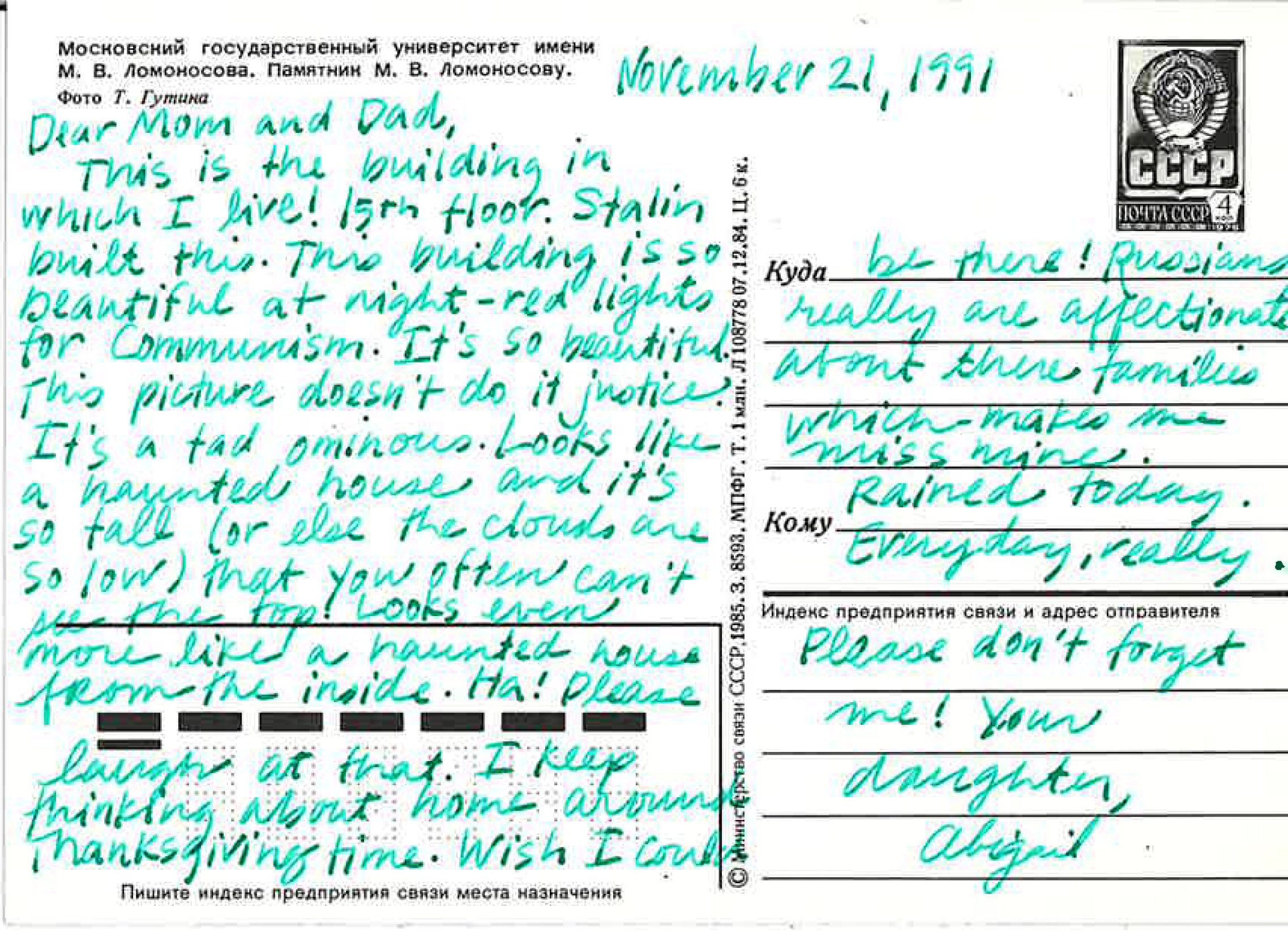
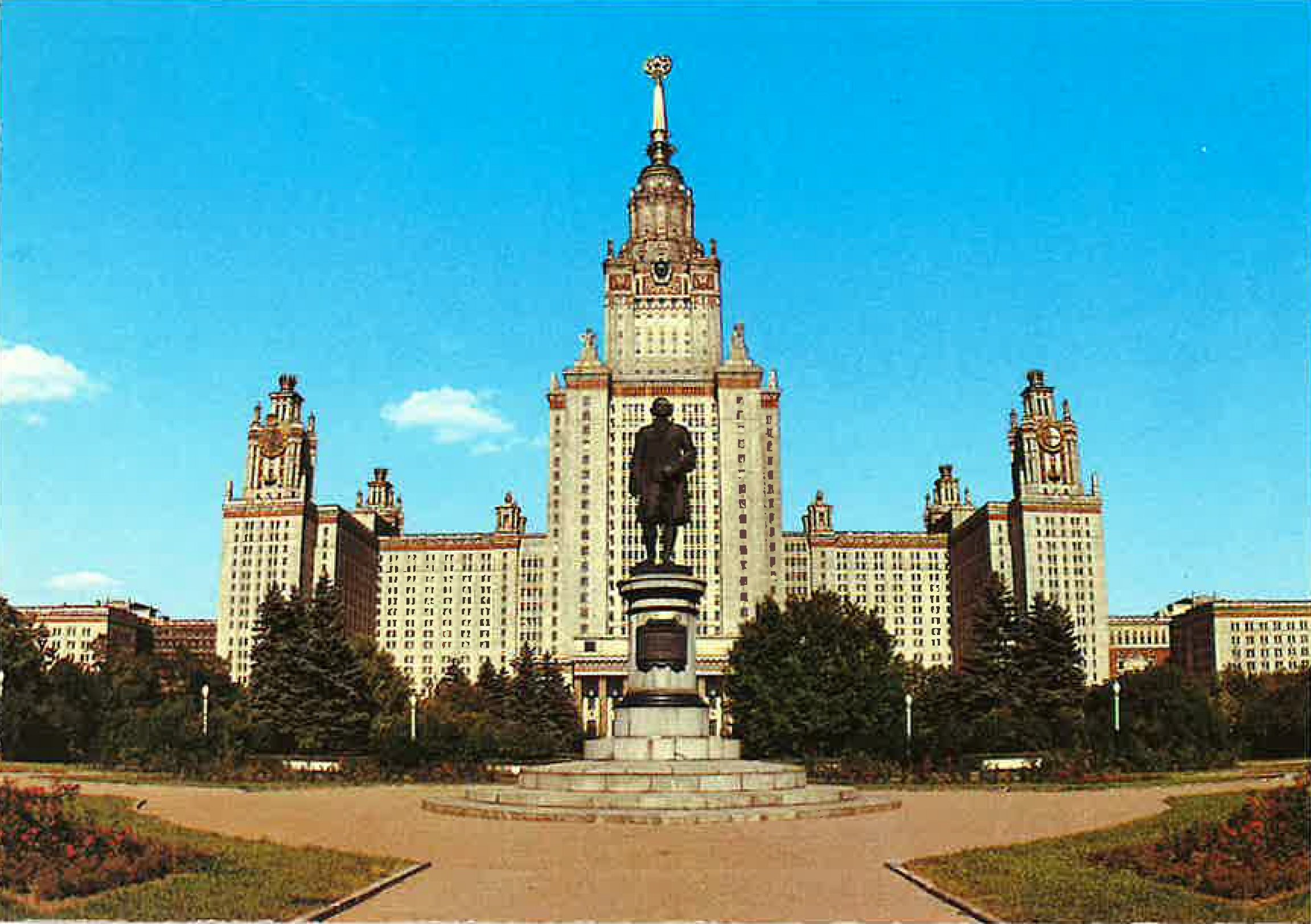
Material culture from 1991-93 helps memorialize a hopeful, exuberant spirit that is currently at risk of being forgotten. These ordinary objects— a Metro map, a popular children’s book, or an abacus— tell a story about Russia on the precipice of change.
If you spent time in Russia or the former Soviet Union in the early 1990’s and have held onto something from that era – a book, a photograph, a receipt, a souvenir, or any artifact that captures the spirit of that time – you are invited to contribute. Together, these objects form a collective record of a moment whose complexity is at risk of being reduced, simplified, or forgotten.